
Tango is one of the most iconic and emblematic musical genres of Argentine culture, and its origin dates back to the city of Buenos Aires in the late 19th century. In those years, the Argentine capital was a melting pot of cultures, where the traditions of European and African immigrants mixed. It was in this context that tango took shape, as an artistic and cultural expression that reflected the feeling of the city’s most working-class neighborhoods.
Where and how tango was born
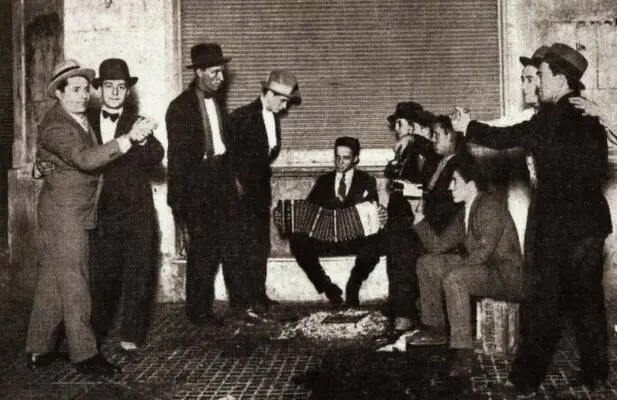
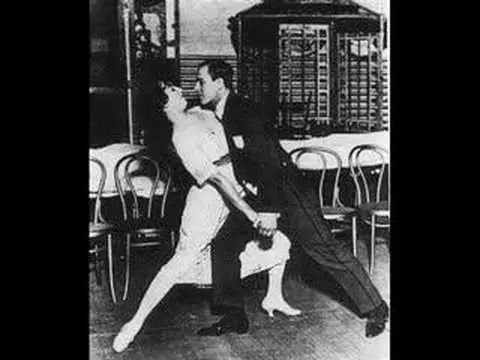
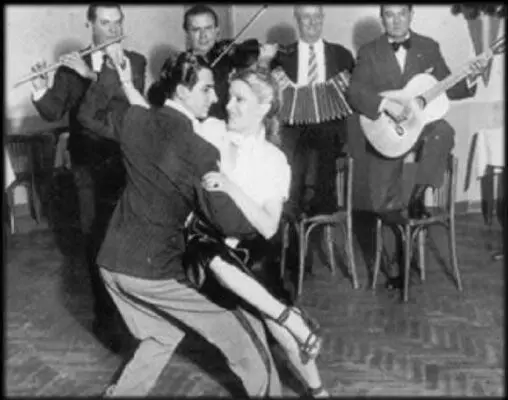
Tango was born in the arrabales of Buenos Aires, in the poorest and most marginal suburbs of the city, where music and dance were a form of escape and release for the workers and immigrants who arrived in the city. In these neighborhoods, bars and dance halls were the places where tango lovers gathered to dance and listen to music.
In its early days, tango was frowned upon by society, associated with marginality. Over time, however, it made its way and gained popularity among the upper classes, until it became a cultural expression recognized around the world.
Tango singers
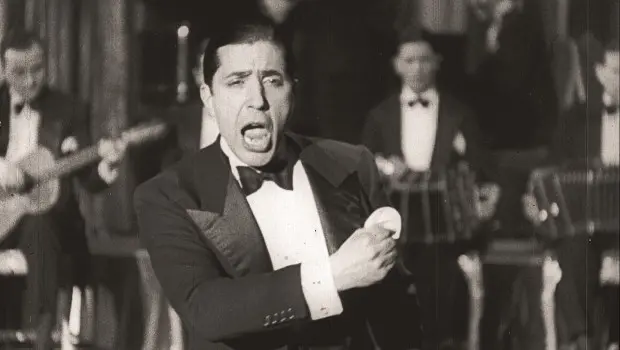
Among the main tango singers in Argentine history is Carlos Gardel, who became a legend of the genre thanks to his unmatched voice and unique performances. Gardel grew up in Buenos Aires and from a very young age became interested in tango, becoming one of its main references.
Another great exponent of tango was Aníbal Troilo, a bandoneon player and composer who helped give the genre a new feel in the 1940s. Troilo was one of the most important musicians of the golden age of tango, and his songs remain popular to this day.
In addition, other singers such as Edmundo Rivero and Roberto Goyeneche also left their mark on the history of Argentine tango, and helped consolidate this genre as one of the country’s most important cultural expressions.
Ultimately, tango is a cultural expression that was born in the humblest neighborhoods of Buenos Aires, but that over time became one of the most important hallmarks of Argentine culture. Today it remains an artistic form that is highly valued around the world, and its songs and dances continue to move people of all ages and backgrounds.
Experience this Argentine tradition at the tango houses
With Argentina Tango you can compare options, choose the location you prefer and secure your tickets quickly and safely. Book in advance and enjoy an unforgettable night of live music, dance and cuisine.